
 See Our Latest Article on HelloNation
What can chiropractic adjustments do for athletes?
Chiropractic adjustments may help some athletes manage joint stiffness, certain types of back or neck discomfort, and movement limitations. Their most realistic role is to support mobility and comfort as part of a broader recovery plan—not to replace strength training, conditioning, medical evaluation, or rehabilitation.
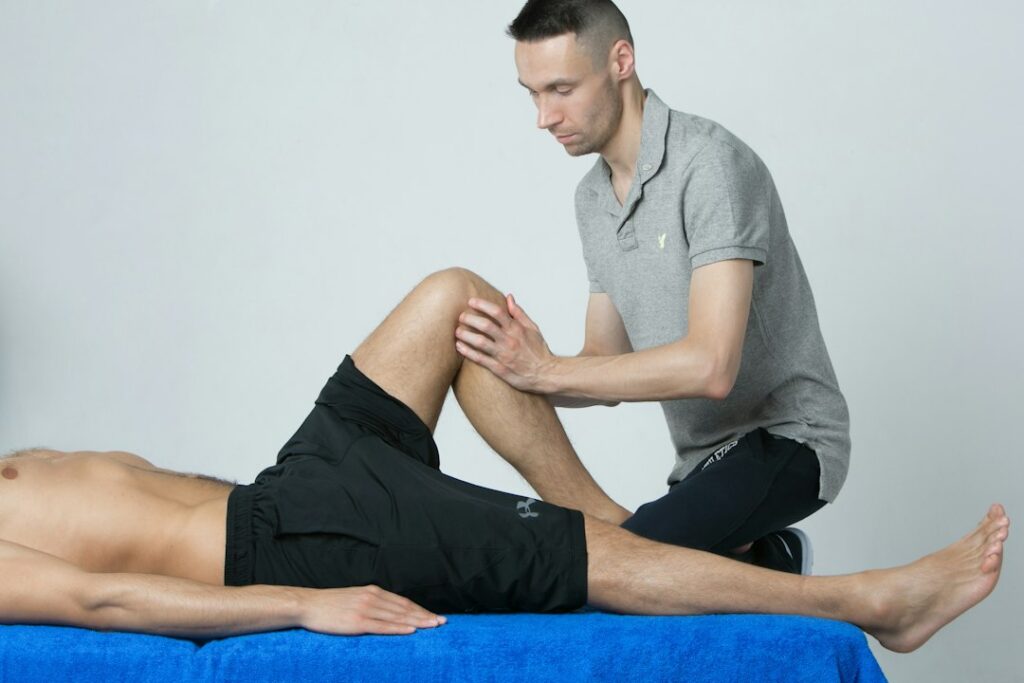
An adjustment is a hands-on technique intended to influence movement in a joint or group of joints. Depending on the situation, care may also include mobility exercises, soft-tissue techniques, strengthening, balance work, and advice about training loads.
For athletes in Depew, NY, this may be relevant across many activities, including running, cycling, hockey, swimming, weight training, court sports, recreational leagues, and physically demanding outdoor work. Cold winters, icy walking surfaces, indoor training, and seasonal changes in activity can all affect how the body is loaded.
Can adjustments improve athletic performance?
They may improve performance indirectly when restricted movement or discomfort interferes with technique. For example, an athlete with limited thoracic movement may struggle to rotate comfortably, while someone with hip or ankle stiffness may compensate during squats, running, jumping, or skating.
After treatment, some people notice:
- Easier movement in a stiff area
- Short-term relief from muscle or joint discomfort
- Improved tolerance for warmups or mobility drills
- Greater confidence using a previously uncomfortable movement
- Better awareness of posture, balance, or body mechanics
These effects do not mean an adjustment increases strength, endurance, speed, or coordination by itself. Improvements in those areas still depend on progressive training, adequate recovery, skill practice, nutrition, and sleep.
A useful way to think about an adjustment is as a possible tool for creating a more comfortable starting point for movement. The lasting benefit comes from addressing the underlying problem and building capacity through exercise.
What conditions may respond to chiropractic care?
Research provides the clearest support for spinal manipulation as one option for some adults with nonspecific low-back pain. Benefits are usually modest, and results vary. Chiropractic care may also be considered for certain musculoskeletal complaints involving the back, neck, hips, shoulders, or extremities, although the evidence is not equally strong for every condition.
Athletes commonly ask about adjustments for:
- Low-back soreness after lifting, running, or repeated bending
- Stiffness after long periods of sitting or driving
- Limited hip, ankle, or upper-back mobility
- Muscle tightness associated with altered movement
- Discomfort that returns during a particular exercise or sport skill
An adjustment is less likely to solve a problem caused by a major tear, fracture, infection, serious nerve compression, or an untreated training error. Persistent pain should not be interpreted as proof that a joint is “out of place.” Pain can arise from many overlapping factors, including tissue irritation, fatigue, stress, sleep loss, sudden increases in training, and reduced conditioning.
Are chiropractic adjustments useful after a sports injury?
They may be appropriate in selected cases, but timing and diagnosis matter. A new injury should first be assessed based on its mechanism, symptoms, swelling, bruising, strength, range of motion, and ability to bear weight or use the affected area.
For example, an athlete who twists an ankle, falls on a shoulder, or experiences a collision may need evaluation for a fracture, dislocation, ligament injury, or concussion before manual treatment is considered. Adjustments should not be used to “push through” severe pain or to speed a return before the injured tissue is ready.
A gradual return to activity generally includes:
1. Reducing or modifying the movements that aggravate symptoms.
2. Restoring comfortable range of motion.
3. Rebuilding strength and control.
4. Reintroducing sport-specific drills.
5. Increasing intensity only when symptoms remain stable.
Manual therapy may fit within this progression, but it should not be the entire rehabilitation program.
Do adjustments prevent sports injuries?
There is not enough evidence to promise that routine adjustments prevent injuries. A person may feel more mobile after treatment, but injury risk depends on many variables, including training volume, technique, equipment, sleep, previous injuries, muscle capacity, recovery time, and the demands of a specific sport.
Injury prevention is usually better supported by practical habits such as:
- Gradual increases in mileage, weight, speed, or practice time
- Sport-specific warmups
- Strengthening vulnerable or previously injured areas
- Balance and landing-control exercises
- Adequate rest between hard sessions
- Replacing worn or poorly fitting equipment
- Avoiding sudden transitions from winter inactivity to intense spring training

For households managing outdoor activity through changing weather, traction and surface conditions also matter. Ice, packed snow, uneven ground, and cold muscles can change balance and movement mechanics.
What are the risks?
Most people experience only temporary soreness, stiffness, or mild discomfort after spinal manipulation. More serious complications are uncommon, but no hands-on treatment is risk-free.
Neck manipulation deserves particular caution because sudden neck movement has been associated with rare but serious blood-vessel complications. A person should discuss alternatives and individual risk factors before any neck technique is performed. An adjustment should also be reconsidered or delayed in the presence of conditions such as suspected fracture, severe osteoporosis, active infection, certain inflammatory disorders, significant bleeding risk, or progressive neurological symptoms.
Urgent medical evaluation is more appropriate than routine manual care when symptoms include:
- New or worsening muscle weakness
- Loss of coordination or balance
- Numbness spreading into an arm or leg
- Loss of bladder or bowel control
- Severe headache, fainting, trouble speaking, or vision changes
- Significant swelling, deformity, or inability to bear weight
- Fever with severe spinal pain
- Pain following a major collision or fall
Should athletes choose an adjustment or physical therapy?
The answer depends on the problem and the person’s goals. Chiropractic adjustments focus on manual techniques, while physical therapy commonly emphasizes exercise progression, movement retraining, strength, balance, and functional return. These approaches can overlap, and neither is automatically the right choice for every athlete.
For recurring injuries, weakness, reduced endurance, or difficulty returning to a sport, an exercise-based rehabilitation plan is often essential. Manual treatment may provide short-term symptom relief, but it is less likely to create durable change without active participation.
A careful evaluation should explain what is being treated, what improvement is expected, how progress will be measured, and what alternatives exist. Claims that every athlete needs frequent adjustments, that joints are routinely “misaligned,” or that manipulation alone can prevent all injuries are not supported by strong evidence.
How can athletes use chiropractic care responsibly?
Athletes can make treatment more useful by describing the exact movement that causes trouble, how symptoms started, recent changes in training, previous injuries, medications, and any neurological symptoms. It also helps to identify a clear goal, such as improving tolerance for running, returning to lifting, or reducing discomfort during rotation.
Progress should be judged by function rather than by the sound of a joint or the number of treatments received. Meaningful measures might include walking normally, completing a controlled squat, sleeping without pain, practicing a sport skill, or returning to training without a symptom flare.
For residents and athletes in Depew, the most practical approach is usually individualized and conservative: identify the source of the problem, rule out injuries that need medical attention, use manual care only when appropriate, and pair it with exercises that build lasting strength and movement control.
