
 See Our Latest Article on HelloNation
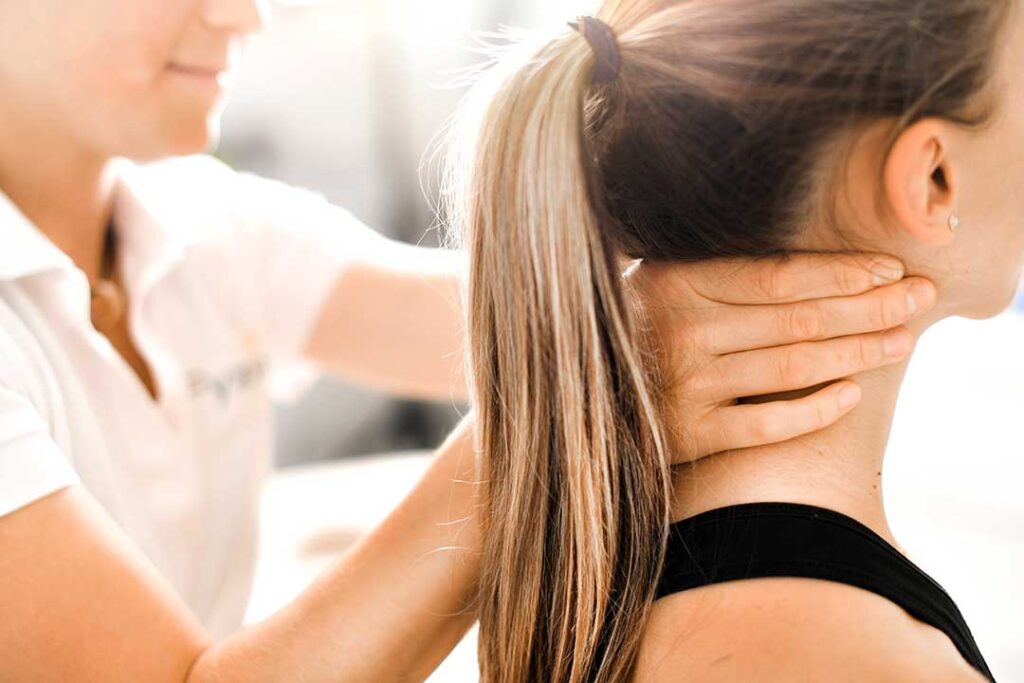
Neck pain can come from everyday habits, muscle strain, joint changes, an injury, or irritation of a nerve. For many residents, symptoms begin gradually after long periods of computer work, driving, phone use, sleeping awkwardly, or repeated lifting. Most mild cases improve with time and practical self-care, but certain symptoms require prompt medical attention. ([mayoclinic.org](https://www.mayoclinic.org/diseases-conditions/neck-pain/symptoms-causes/syc-20375581?utm_source=openai))
What are the most common causes of neck pain?
The neck supports the head while allowing a wide range of movement, so it can be affected by both sustained positions and sudden force. Common causes include:
- Muscle strain: Holding the head forward while using a laptop or phone can overwork the muscles at the back of the neck. Reading in bed, working at a low table, or spending long periods at a workstation may have a similar effect.
- Poor posture: Slouching or leaning toward a screen changes how the head is balanced over the spine. The farther the head moves forward, the more demand is placed on the neck and upper-back muscles.
- Repetitive activity: Painting, lifting, overhead work, prolonged driving, and repeated turning can irritate muscles and joints.
- Sleep position: A pillow that is too high, too low, or unable to support the neck may leave the head tilted for several hours.
- Whiplash or other injuries: A sudden forward-and-backward motion, such as during a vehicle crash, can strain the muscles and ligaments even when there is no visible injury.
- Age-related joint changes: Arthritis and worn joints may cause stiffness, reduced movement, or aching that is more noticeable after inactivity.
- Nerve irritation: A bulging disc or bone spur can press on a nerve, causing pain, tingling, numbness, or weakness that travels into the shoulder, arm, or hand.
- Stress and muscle tension: Emotional stress can lead to unconscious tightening of the shoulders and neck, which may contribute to headaches and soreness. ([mayoclinic.org](https://www.mayoclinic.org/diseases-conditions/neck-pain/symptoms-causes/syc-20375581?utm_source=openai))
Cold weather does not automatically injure the neck, but seasonal routines can contribute indirectly. In Depew, NY, winter driving, shoveling, carrying heavier clothing, and spending more time indoors at screens may reduce movement or increase muscle tension. A sudden increase in activity after being less active can also make soreness more likely.
How can posture and screen habits reduce neck strain?
The most useful adjustment is to avoid staying in one position for too long. Even a well-designed workstation can become uncomfortable if the neck remains still for hours.
Try to:
- Keep the top of a computer screen near eye level.
- Position the screen directly in front of the body rather than requiring repeated head-turning.
- Let the shoulders relax instead of rounding them forward.
- Keep both feet supported when sitting.
- Hold a phone closer to eye level instead of bending the neck downward.
- Change position regularly and take brief movement breaks during computer work, studying, gaming, or driving.
A short break does not need to be elaborate. Standing, walking a few steps, gently turning the shoulders, and looking across the room can interrupt prolonged static posture. The goal is not to maintain a rigid “perfect” posture all day; it is to vary positions before discomfort builds.
What are safer ways to prevent neck pain during sleep?
Sleep prevention begins with keeping the head reasonably aligned with the rest of the spine. A pillow should support the space between the head and mattress without forcing the neck sharply upward or allowing it to drop sideways.
Useful considerations include:
- Side sleepers may need enough pillow height to fill the space between the shoulder and head.
- Back sleepers often do better with a pillow that supports the natural curve of the neck without pushing the head too far forward.
- Stomach sleeping can keep the head rotated for long periods and may aggravate symptoms in some people.
- A mattress and pillow that are excessively soft or worn may allow the neck to remain in an awkward position.
- Avoid falling asleep with a heating pad or ice pack in place because prolonged exposure can injure the skin. ([medlineplus.gov](https://www.medlineplus.gov/ency/article/003025.htm?utm_source=openai))
If neck pain repeatedly appears after waking, note the sleeping position, pillow arrangement, and whether symptoms improve after moving around. That pattern can help identify whether overnight positioning is contributing.
Which exercises may help prevent recurring neck pain?
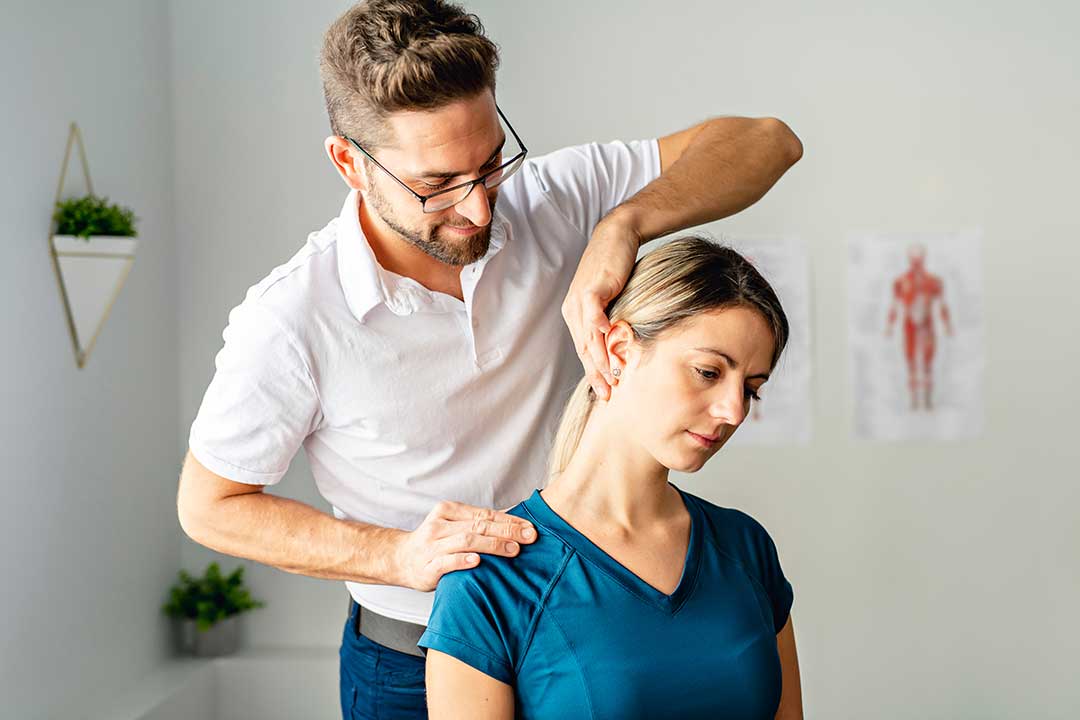
For prevention, gentle movement is generally more useful than keeping the neck completely still. Slow, comfortable range-of-motion exercises can include turning the head from side to side, looking up and down within an easy range, and bringing the ear slightly toward the shoulder without forcing the stretch.
Strengthening the upper back and improving general physical activity may also reduce the amount of work placed on the neck. Examples include regular walking, shoulder-blade movements, and exercises recommended for an individual’s condition.
Exercise should not cause sharp pain, increasing arm symptoms, dizziness, or new weakness. Avoid forceful neck manipulation, rapid twisting, or stretching through pain. A person with a recent injury, significant arthritis, or symptoms traveling into an arm should receive individualized guidance before starting a new exercise routine.
Can everyday lifting and seasonal chores cause neck pain?
Yes. Neck strain may occur when lifting with the shoulders elevated, carrying uneven loads, reaching overhead, or turning the head while handling weight. Snow-related chores and household maintenance can be especially demanding because they may combine awkward posture with repetitive effort.
To reduce strain:
- Warm up with a few minutes of walking and gentle shoulder movement.
- Keep loads close to the body.
- Use both hands when practical.
- Bend through the hips and knees instead of rounding the upper back.
- Avoid twisting while lifting.
- Take breaks before the neck and shoulders become fatigued.
- Divide heavy or bulky tasks into smaller portions.
Protective habits are particularly useful when activity changes suddenly, such as beginning outdoor chores after several weeks of reduced winter activity.
When is neck pain a warning sign?
Neck pain after a significant fall, crash, diving incident, or other impact should be evaluated urgently, especially when the pain is severe or movement is limited. Emergency care is also appropriate for neck pain accompanied by weakness, loss of coordination, severe numbness, trouble walking, loss of bladder or bowel control, or difficulty breathing or swallowing. ([mayoclinic.org](https://www.mayoclinic.org/diseases-conditions/neck-pain/symptoms-causes/syc-20375581?utm_source=openai))
A severe headache with fever and marked neck stiffness can signal a serious infection. Neck, jaw, or arm discomfort with shortness of breath, sweating, nausea, or chest pressure may indicate a medical emergency rather than a muscle problem. ([medlineplus.gov](https://www.medlineplus.gov/ency/article/003025.htm?utm_source=openai))
For less urgent symptoms, medical evaluation is sensible when pain is intense, keeps worsening, does not improve with basic self-care, repeatedly disrupts sleep, or travels into the arm or hand. Numbness, tingling, or weakness should not be dismissed as ordinary muscle tightness. ([mayoclinic.org](https://www.mayoclinic.org/diseases-conditions/neck-pain/symptoms-causes/syc-20375581?utm_source=openai))
What can someone do during a mild episode?
For uncomplicated soreness, temporarily reducing aggravating activity while continuing gentle movement may help prevent stiffness. Short periods of heat or cold may provide comfort, provided the skin is protected and the person remains awake while using the treatment. Over-the-counter medicines may not be appropriate for everyone, particularly people with certain medical conditions or medication interactions, so label directions and advice from a qualified healthcare source matter.
Avoid relying on a neck collar for extended periods unless specifically directed. Prolonged immobilization can weaken supporting muscles and may delay a return to normal movement. ([medlineplus.gov](https://www.medlineplus.gov/ency/article/003025.htm?utm_source=openai))
Preventing neck pain is usually less about one perfect pillow, stretch, or posture and more about reducing long, uninterrupted periods of strain. Regular movement, sensible lifting, supportive sleep positioning, and attention to neurological or emergency symptoms provide a practical foundation for protecting the neck at home and during work or seasonal activities.
